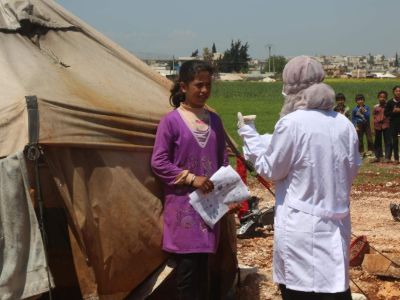

©UNICEF/UNI322984/Albam
Learning objectives
By the end of this module, you will be able to:
- Describe what good data are and identify sources to support collection of quality data Describe common challenges in data collection and identify ways to address them with partners
- Describe ways of working with partners to support accurate data collection
- Reflect on your experiences of collecting data with partners
Audience
This module is suitable for people with some experience of information management in humanitarian contexts who wish to develop their knowledge and skills further, including those who need to engage with coordination and humanitarian architecture on this topic.
Length
It should take you about 45 minutes to complete this self-paced course.
Methodology
This course is composed of a single short self-paced animated module, including various examples and activities.
Structure
- Introduction
- Lesson 1: What makes effective data collection?
- Lesson 2: Working with partners to collect data
- Lesson 3: Reflection
- Summary
Suggested prior learning
- Planning for data collection, processing and analysis
- Primary data collection
- Collating and cleaning data
Suggested further learning
- Introduction to needs assessment
- Multi-sectoral and intersectoral needs assessments
- Developing and maintaining data management systems