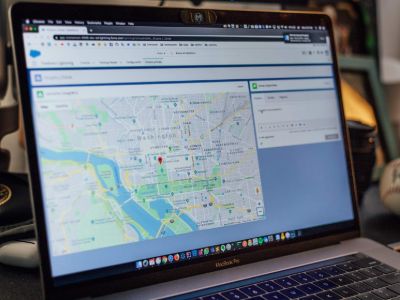

This module provides an overview of how you can use maps to communicate information effectively, explains the differences between maps generated with Geographic Information System (GIS) and non-GIS software and explores when each type would be most appropriate to use. It also examines key design principles that will help you to make more effective maps.
Lesson 2: Types of maps: GIS and non-GIS generated maps
Lesson 3: What makes a good map?
Lesson 4: Reflection
Learning objectives
By the end of this module, you will be able to:
- Describe the types of information a map can communicate and when a map is not the ideal choice
- Explain the differences between GIS and non-GIS-generated maps
- Consider the advantages, disadvantages and appropriate uses of GIS versus non-GIS generated maps
- List key design principles for creating effective maps
- Assess the effectiveness of maps using the key design principles
- Reflect on your mapping skills
Audience
This module is suitable for anyone who is interested developing their knowledge and skills for information management in humanitarian contexts, including those who need to engage with coordination and humanitarian architecture on this topic.
Length
It should take you about 45 minutes to complete this self-paced course.
Methodology
This course is composed of a single short self-paced animated module, including various examples and activities.
Structure
Introduction
Lesson 1: Communicating information with mapsLesson 2: Types of maps: GIS and non-GIS generated maps
Lesson 3: What makes a good map?
Lesson 4: Reflection
Summary
Suggested prior learning
- Communicating information
- Presenting data visually
Suggested further learning
- Creating effective maps using non-GIS software
- Using GIS
- Creating a GIS Map