
© UNICEF/UNI141748/---
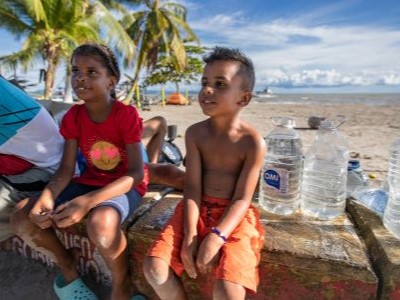
El objetivo del curso es fortalecer técnicamente a servidores públicos, funcionarios y funcionarias de organizaciones no gubernamentales, de la Sociedad civil u humanitarias para promover una mejor comprensión y el desarrollo de acciones que contribuyan a la protección de la niñez y adolescencia migrante, en el marco de las políticas y normas nacionales e internacionales. El curso se basa en la identificación, análisis y abordaje de prejuicios y prácticas que no facilitan la protección de la niñez y adolescencia migrante e incluye contenidos que incorporan el enfoque de equidad de género.
Objetivos de aprendizaje
- Definir el concepto de migración y sus diferentes modalidades.
- Describir las diferentes formas de entender la infancia y la adolescencia.
- Comprender los fundamentos de la protección de las niñas, niños y adolescentes frente a la violencia de género.
- Aproximarse a los conceptos de identidad y diversidad.
- Proponer los elementos básicos para la transformación de las normas sociales.
- Comprender qué son los estereotipos, los prejuicios y la discriminación.
- Presentar los referentes internacionales para la protección y garantía de los derechos de los niños y niñas migrantes.
- Reconocer los derechos y garantías para la niñez y adolescencia migrante.
- Presentar la normatividad colombiana establecida para garantizar la protección y los derechos de los niños, niñas y adolescentes migrantes.
- Reconocer las rutas para garantizar los derechos de los niños, niñas y adolescentes migrantes.
- Identificar las rutas a seguir en situaciones de emergencia que requieran atención especializada, como trata de personas, violencia sexual, violencia de género o reclutamiento forzado.
- Aplicar los enfoques y principios para la atención a niñas, niños y adolescentes migrantes.
Audiencia
- Funcionarios de gobierno y personas que trabajen en políticas, planes y programas gubernamentales relacionados con la niñez y adolescencia migrante.
- Con nivel educativo universitario y/o con conocimientos y/o experiencia en programas de protección para niños, niñas y adolescentes migrantes.
- Funcionarios de organizaciones no gubernamentales que realicen acciones dirigidas a niños, niñas y adolescentes migrantes.
Duración
Completar este curso tomará aproximadamente 70
horas.
Metodología
Este curso se compone de una introducción, cuatro módulos de contenido y una sección final que pone a prueba los conocimientos adquiridos. Cada módulo se compone de varias unidades con recursos interactivos; un vídeo que presenta las ideas y mensajes clave facilitando su comprensión; un foro donde el alumno puede expresar sus opiniones y propuestas, y una actividad de evaluación final que le anima a reflexionar sobre el aprendizaje de cada módulo. Cada unidad está compuesta por secciones de desarrollo conceptual, estudio de casos, reflexiones y recomendaciones prácticas para aplicar lo aprendido.
Al finalizar, el alumno podrá descargar material resumen de los
principales contenidos del curso y elaborar una encuesta para la mejora
permanente en el proceso de aprendizaje.
Estructura
El curso se compone de 6 módulos:
- Módulo 0. Introducción
- Módulo I. Conceptualización sobre el enfoque migratorio y concepciones sobre la niñez y adolescencia migrante.
- Módulo II. Transformaciones individuales para construer escenarios de inclusión y no discriminación.
- Módulo III. Regulación para la protección de la niñez y adolescencia migrante.
- Módulo IV. Rutas, protocolos, programas estrategias y servicios para promover la prevención de violencias y el restablecimiento de derechos de niños, niñas y adolescentes migrantes.
- Módulo V. Cierre
Detalles de contacto
Problemas y preguntas sobre el contenido: lerios@unicef.org