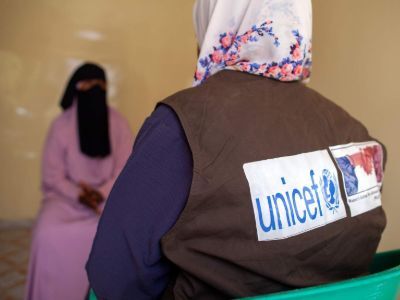

©UNICEF/UN0414860/Naftalin
Learning objectives
By the end of this module, you will be able to:
- Explain the purpose of response monitoring
- Describe the four response monitoring phases
- Specify the tasks required when monitoring the response
- Reflect on the behaviours you need to effectively monitor a response
Audience
This module is suitable for anyone who is interested developing their knowledge and skills for information management in humanitarian contexts, including those who need to engage with coordination and humanitarian architecture on this topic.
Length
It should take you about 40 minutes to complete this self-paced course.
Methodology
This course is composed of a single short self-paced animated module, including various examples and activities.
Structure
Introduction
Lesson 1: Response monitoring and IM
Lesson 2: Response monitoring stages
Lesson 3: Reflection on your ability to monitor a response
Summary
Suggested further learning
- Defining indicators and setting targets
- Data analysis
- Response monitoring framework and tools
- Reporting
- Coordinating and harmonizing monitoring plans and tools
- Supporting partners to effectively monitor and report on the response